
New Home, New Responsibility For Septic Maintenance
Buying a home in Taylorsville is exciting, especially if you are moving onto a larger lot, rural property, or a home with more outdoor space. But if your new home has a septic system, there is one important responsibility you do not want to overlook: septic maintenance.
A septic system is easy to forget about when everything is working properly. It’s underground, out of sight, and not exactly the most exciting part of homeownership. When septic maintenance is ignored, however, small problems can turn into expensive repairs, backups, unpleasant odors, drainage issues, or damage to the property.
For new homeowners in Taylorsville and surrounding areas, understanding the basics of septic maintenance can help protect your home, your property, and your budget.

Know Where Your Septic System Is Located
One of the first things every new homeowner should do is learn where the septic tank, lines, and absorption field are located. Don’t wait to figure it out later. Knowing where your septic components are can help prevent damage and make future maintenance much easier.
Know these things before you:
- build a garage, deck, or other addition
- install a driveway or parking area
- plant trees or large shrubs
- bring heavy equipment onto the property
- plan major landscaping work
- schedule tank pumping or inspection
It is common for homeowners to have old records or rough maps of the system, but those records may not tell the full story. Older systems may not be exactly where paperwork suggests. If you are not sure where the system is, it is worth getting professional help before making major changes to the property.
Do Not Drive or Build Over Septic Components
A septic system needs protection. Heavy vehicles, construction equipment, sheds, patios, driveways, and other structures can damage septic components or make them difficult to access later.
The University of Kentucky Cooperative Extension warns homeowners to avoid vehicular traffic and construction activities in the absorption field area before and after installation.
That advice matters for Taylorsville homeowners because many local properties have room for outbuildings, garages, gardens, driveways, and future improvements. More land is a great thing, but it also means more opportunities to accidentally interfere with the septic system if you don’t know exactly where it is.
Before you build, dig, grade, or drive heavy equipment across part of the property, make sure the septic system is accounted for.
Pump the Septic Tank on a Proper Schedule
One of the most important parts of septic maintenance is regular pumping. Over time, solids collect inside the septic tank. If the tank is not pumped, those solids can build up and move where they should not, potentially damaging the system and creating bigger problems.
For many single-family homes, septic tanks are commonly pumped every three to five years.
However, the right schedule depends on several factors, including:
- tank size
- number of people in the home
- water use
- garbage disposal use
- age and condition of the system
A larger household may need pumping more often than a smaller one. A home that uses a garbage disposal heavily may also place more demand on the system. If you recently bought the home and do not know when the tank was last pumped, it is smart to find out as soon as possible.

Watch What Goes Down the Drain
Your septic system handles everything that leaves your sinks, toilets, tubs, showers, washing machine, and dishwasher. That means what goes down the drain has a direct impact on septic maintenance.
Avoid flushing or draining items that can clog, disrupt, or damage the septic system, including:
- grease and cooking oil
- wipes, even if labeled flushable
- paper towels
- feminine hygiene products
- diapers
- dental floss
- cat litter
- coffee grounds
- harsh chemicals
- paint, solvents, or motor oil
- large amounts of bleach or cleaner
A septic system relies on natural processes to separate and treat wastewater. When the wrong materials enter the system, they can clog pipes, harm the bacteria inside the tank, or contribute to absorption field problems.
A simple rule helps: if it is not wastewater or toilet paper, keep it out of the septic system.
Use Water Wisely For Best Septic Maintenance
Water use plays a major role in septic maintenance. Too much water entering the system at once can overload the tank and absorption field. This can make it harder for the system to separate solids and treat wastewater properly.
New homeowners can protect their septic system by spreading out water use when possible.
Try to avoid:
- doing several loads of laundry back-to-back
- running the dishwasher, washing machine, and showers all at once
- ignoring leaky toilets or dripping faucets
- allowing roof runoff or drainage water to flow toward the absorption field
Water conservation is not just about lowering the utility bill. For homes with septic systems, smart water use helps the system function the way it should.
Keep Trees and Deep Roots Away From the System
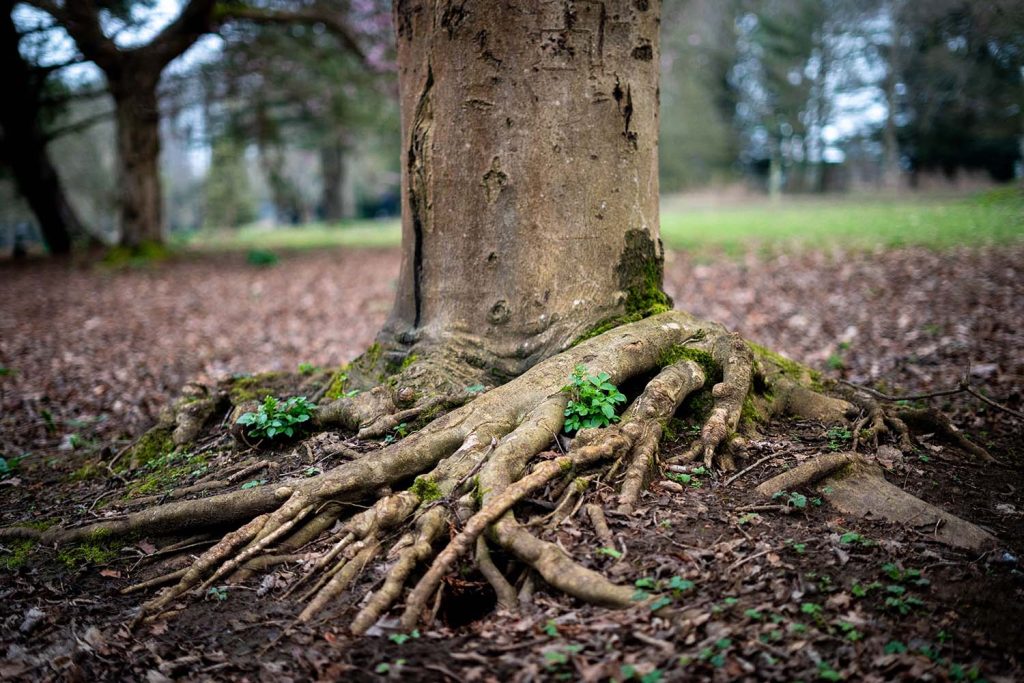
Trees and shrubs may look harmless from above ground, but their roots can create problems underground. Roots naturally seek water and can grow into or around septic lines, causing clogs, damage, or system disruption.
If you are landscaping a new property in Taylorsville, be careful around the septic tank, lines, and absorption field. Avoid planting trees or large shrubs too close to septic components. Grass is usually a better choice over the absorption field because it helps control erosion without sending aggressive roots into the system.
Before making major landscaping changes, know where the system is located.
Pay Attention to Early Warning Signs of Septic Problems
Septic problems often give warning signs before they become major failures. New homeowners should pay attention to anything that seems unusual, especially if the system’s maintenance history is unclear.
Common signs of septic trouble include:
- slow drains throughout the home
- gurgling toilets or drains
- sewage odors inside or outside
- wet or soggy areas near the septic field
- unusually green or spongy grass over the absorption area
- standing water around the tank or field
- backups in tubs, toilets, or sinks
One slow drain may be a simple plumbing issue. When several signs show up together, or when the problem keeps coming back, the septic system may need professional attention.
Schedule a Septic Inspection Before Major Property Changes
New homeowners often have plans. Maybe you want to add a separate structure, expand the driveway, build a deck, install a fence, add landscaping, or create better access around the property. Those projects may be great investments, but they should be planned around the septic system.
A septic inspection or system location check before building can help you avoid costly mistakes. It can also help you understand what areas of the property should remain open, protected, or easy to access.
This is especially important if the home is older, the records are unclear, or the previous owner did not provide much detail about the system.
How Venture 8 Can Help Taylorsville Homeowners With Septic Maintenance
Venture 8 Property Services helps property owners with practical land and septic-related needs, including site preparation, grading, finish grading, septic support, and property improvement work. For new homeowners in Taylorsville, that kind of help can be especially valuable when you are trying to understand how the property functions and what needs attention first.
Whether you are dealing with drainage issues, planning a new project, trying to protect an existing septic system, or preparing land for future use, it helps to work with someone who looks at the whole property.
Septic Maintenance Is Cheaper Than Septic Repair
Septic maintenance may not be glamorous, but it is one of the smartest things a new homeowner can take seriously. Learning where your system is, pumping the tank on schedule, watching what goes down the drain, protecting the absorption field, and checking concerns early can help prevent major problems later.
For new homeowners in Taylorsville, a little septic knowledge goes a long way. The more you understand the system now, the better prepared you will be to protect your home, your yard, and your investment.