A Septic System Is Not an Afterthought
Buying a home is exciting. Most buyers focus on the house itself: the kitchen, bedrooms, roof, HVAC, layout, land, and location. Those things matter, of course. But if the property has a septic system, there is something underground that deserves just as much attention.
A septic system can be one of the most expensive parts of a property to repair or replace. The problem is that many buyers do not think about it until something goes wrong. By then, the home is already theirs, the closing paperwork is done, and the surprise is no longer theoretical.
That is why septic inspections are crucial before buying a home. A septic inspection can help identify system location, visible concerns, access problems, and potential repair needs before they become your responsibility.
Why Get a Septic Inspection When Buying a Home
A septic system is not like paint color or cabinet hardware. You cannot judge it from a quick walk-through. Much of the system is underground, and some of the most important questions are not obvious from the surface.
A septic inspection can help answer questions like:
- Where is the septic tank located, and is it accessible?
- Where are the septic lines and lateral field?
- Are there signs of septic system failure or damage?
- Has the septic system been maintained, and are there any warning signs that repairs are needed?
- Could future building plans interfere with the septic system?
Penn State Extension explains that it is critical to have an on-lot septic system inspected by a qualified inspector before purchasing a property:
That is good advice because a septic system is a major part of the property. If it is not working properly, or if it is not located where everyone thinks it is, the cost of fixing the problem can be significant.
A Real-World Example: The Pole Barn Problem
Here is a real example, from our experience, of why septic inspections matter.
A homeowner had information from the health department showing where the septic system was supposed to be located. Based on that information, the homeowner built a pole barn. Later, when it was time to have the septic tank pumped, they discovered the tank was not where they thought it was. It was underneath the new pole barn.
At that point, the issue was no longer a simple inspection question. The tank had to be relocated. The old tank had to be pumped, bypassed, filled, and properly dealt with. A mistake that could have been caught before construction became a major repair and relocation project.
That is the kind of situation no homeowner wants to discover after buying, building, or investing more money into a property.
Septic Records Are Helpful, But They Should Be Verified
Septic records can be useful, and buyers should absolutely ask for them. But records don’t always tell the whole story.
Older properties may have incomplete documents. System maps may be outdated or inaccurate. Previous owners may have made changes without fully understanding where the septic components were. The property may have additions, driveways, barns, landscaping, or other improvements that affect access to the system.
A septic inspection helps confirm what is actually happening on the property, not just what the paperwork says should be there.
That distinction makes all the difference. Buying a home based only on old septic records can leave you vulnerable to expensive surprises.
Septic Problems Can Cost More Than You Expect
The phrase “tens of thousands” may sound dramatic until you start thinking through what a serious septic problem can involve.
A major septic issue may require excavation, line replacement, tank replacement, tank relocation, field repairs, site restoration, and additional work to correct damage caused by poor access or bad placement. If the problem affects a home sale, construction project, or move-in timeline, the cost may not be limited to the repair itself.
You may also face delays, negotiations, emergency service calls, or changes to future property plans. A septic inspection gives you information before the home becomes your responsibility. That information may help you negotiate repairs, ask better questions, plan future improvements, or decide whether the property still makes sense for you to purchase.

What a Septic Inspection Can Help Reveal
A septic inspection is not just about whether toilets flush during the showing. A proper look at the system can help reveal issues that may not be obvious during a standard home inspection.
– Septic Tank Location and Access
The septic tank needs to be accessible for pumping, inspection, maintenance, and repair. If the tank is buried too deeply, covered by a structure, or hard to locate, that can create future problems.
– Septic Line and Lateral Field Location
The lines and lateral field need to be protected. Heavy vehicles, buildings, driveways, and other structures can damage or interfere with them.
– Warning Signs of Septic System Failure
Wet spots, odors, slow drains, backups, soggy soil, or unusually green areas over the field may point to a system problem.
– Older Septic Tank Concerns
Older concrete tanks can weaken, crack, or collapse over time. A septic inspection can help identify whether the system may need repair or replacement.
– Future Property Use Concerns
If you plan to build a garage, addition, patio, or driveway, you need to know where the septic system is first. Otherwise, you could create the kind of expensive problem that should have been avoided.
Septic Inspections Before Buying vs. Septic Repairs After Buying
There is a big difference between paying for a septic inspection before buying and paying for major septic repair after buying.
- An inspection is a planning tool. It helps you understand the system before the property becomes your responsibility.
- A repair is a correction. It happens after something is damaged, failing, blocked, inaccessible, or no longer working properly.
Not every septic inspection will uncover a major issue. Sometimes the best outcome is peace of mind. But if the inspection does find a problem, you will be glad you learned about it before closing instead of after moving in.
Home Buyers Should Ask Septic Questions Early
If you are buying a home with a septic system, do not wait until the last minute to ask questions. Septic inspections, records, access, and repairs can all take time to sort out.
Before buying, consider asking:
- Does the home use a septic system?
- Where is the septic tank?
- Where is the lateral field?
- When was the tank last pumped?
- Are there maintenance records?
- Has the system ever needed repairs?
- Is there enough room for future property plans?
- Has anyone confirmed the system location recently?
These questions are especially important if the property has acreage, outbuildings, additions, or signs of past excavation.
How Venture 8 Can Help Homebuyers and Homeowners
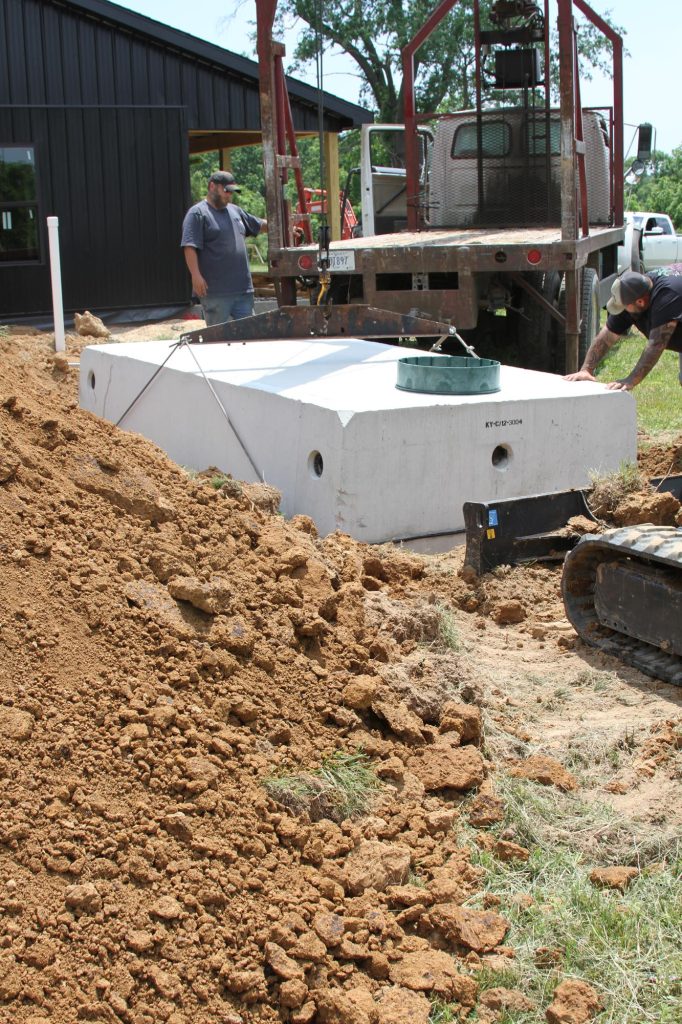
Venture 8 Property Services helps property owners with septic-related site work, inspections, repairs, installation support, grading, and land preparation needs. If you are buying a home, preparing for a property project, or trying to understand what is underground before you make a major decision, it is worth getting answers early.
Septic problems are rarely solved by guesswork. You need to know where the system is, what condition it is in, and what the next step should be.
To talk through your property and schedule a consultation, contact Venture 8 today.
Before You Buy, Know What Is Underground
A home can look perfect from the driveway and still have a septic issue waiting underground. That doesn’t mean you should panic. It just means you should inspect before you invest.
A septic inspection can help protect your budget, your plans, and your peace of mind. Whether you are buying a home, planning future improvements, or trying to understand an older property, the smartest time to ask septic questions is before the surprises show up.